How to Choose a Cruise Cabin That Fits Your Needs
Choose a cruise cabin location by matching your sleep, motion, view, access, and budget priorities with the ship’s deck plan. CruiseTourParadiseValley.info can use Free Consultations to help connect those needs with suitable ocean or river cruise cabins.
Written by Wendy Denny
Request an EstimateWritten by Wendy Denny.
Quick Picks
A cruise cabin choice works best when the room supports how you travel. The right option depends on your itinerary, sleep habits, movement concerns, and preferred view.
Start With the Cabin Features That Matter Most
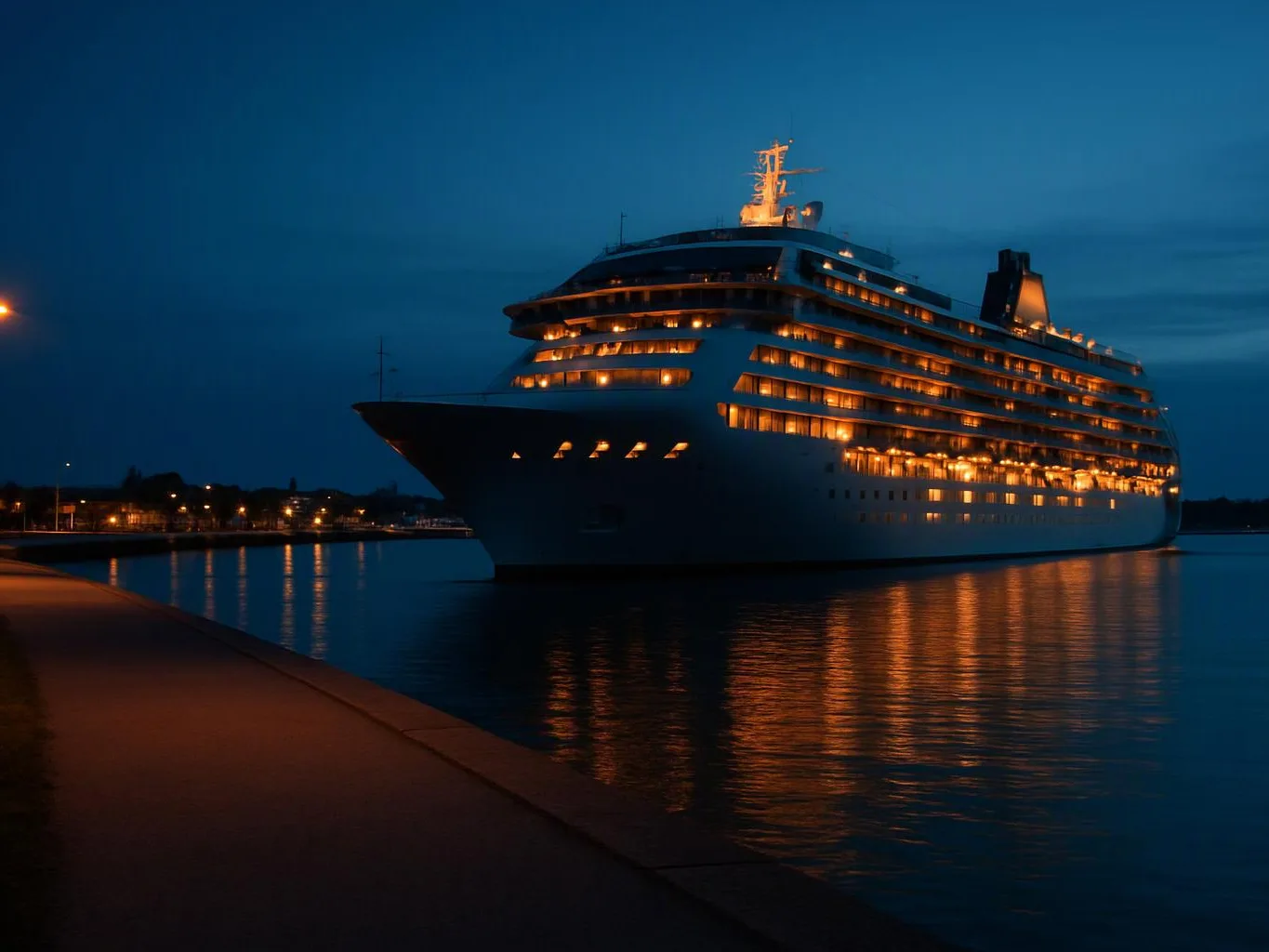
Cabin location should match your travel needs, cabin type, and cruise itinerary. A room that suits an ocean cruise may not suit a river cruise.
Start with the feature you care about most. That feature might be quiet sleep, a stable ride, natural light, balcony space, storage, or easy access.
Fare conditions also matter. Check which features and services the cabin category includes before you compare room locations.
Where Exactly Is Your Cabin on the Ship?
Your cabin location is identified by its deck, ship section, side, and position near public areas or facilities. A ship deck plan shows these details and helps you check nearby spaces.
The same labels can mean different experiences on different ships. Always match the room number with the current cabin map.
| Cabin position | Best fit | Movement and access | Key trade-offs |
|---|---|---|---|
| Forward cabin | Travelers who value access to forward facilities | May feel more ship movement | May be near anchor equipment or service spaces |
| Midship cabin | Travelers seeking a central position | Often convenient for ship access | May be near elevators or busy passageways |
| Aft cabin | Travelers who enjoy aft views | Movement can vary with sea conditions | May be near engines or outdoor public areas |
| Upper or lower deck | Travelers choosing access or a lower position | Access and motion vary by ship | Nearby facilities can affect noise and views |
| Port or starboard side | Travelers with a side preference | Depends on the itinerary and docking pattern | The preferred view may not appear on every sailing |
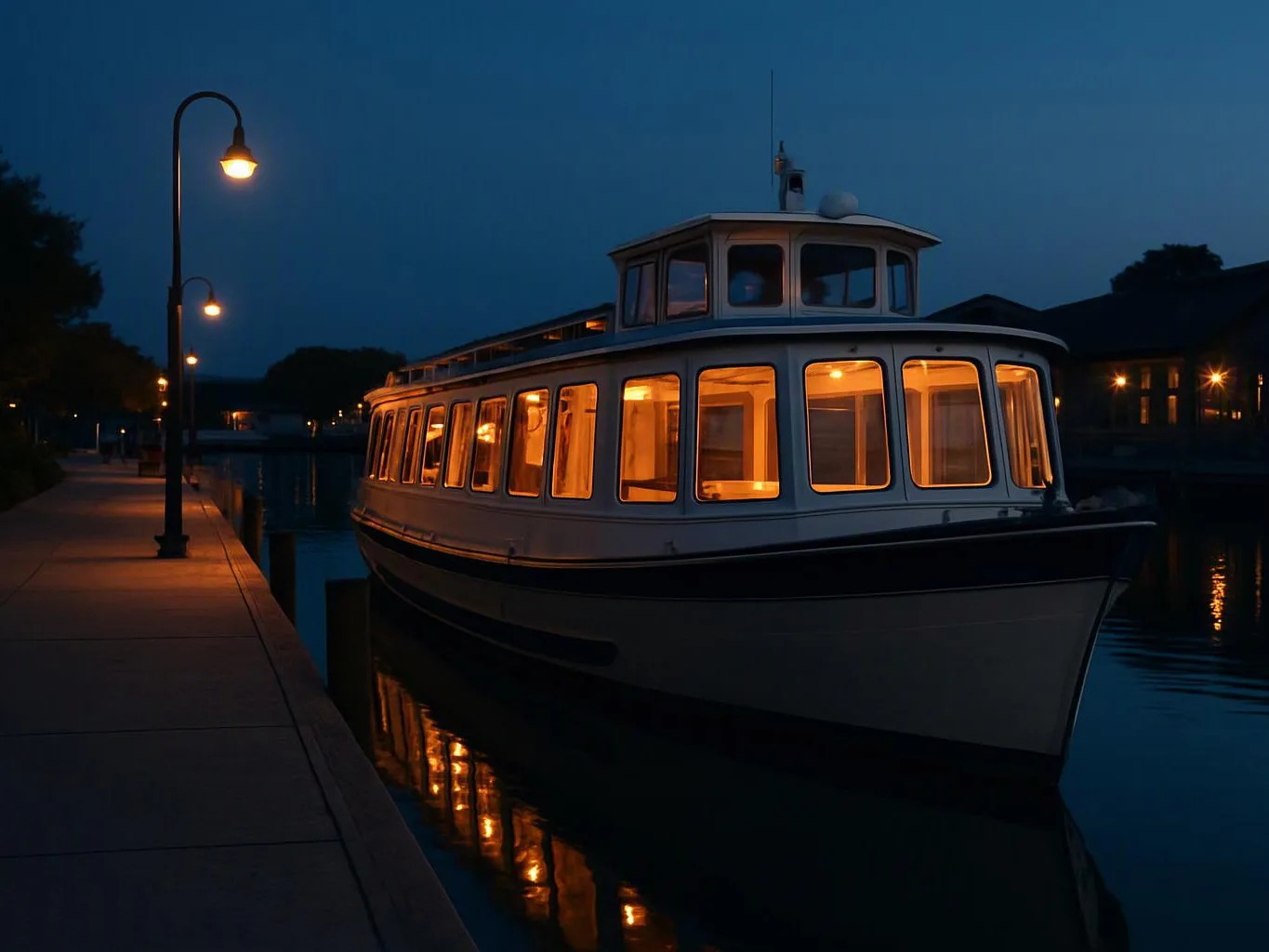
| River cruise cabin | Travelers focused on scenery and shore access | Ship layout and deck height guide the experience | Views can change with docks and river traffic |
Which Cabin Location Best Matches Your Travel Style?
The best cabin location depends on how much you value quiet, stable movement, natural light, outdoor space, and convenient access.
Light sleepers should check nearby venues before selecting a room. Travelers with motion sensitivity may prefer a central position, while families may value space and access to shared facilities.
An inside cabin can support a lower-cost travel plan, while an oceanview cabin adds natural light. A balcony cabin adds outdoor space, and a suite may offer more room for relaxing.
Travelers with mobility needs should review the accessible cabin layout, route to public areas, bathroom design, and elevator access.
What Cabin Locations Should Light Sleepers Avoid?
Light sleepers should avoid cabins beside busy venues, elevators, stairwells, pool decks, service areas, and mechanical spaces. The deck plan can reveal these risks before booking.
Signs a Cruise Cabin May Not Fit Your Needs
A cabin mismatch often appears when the room’s position conflicts with your daily habits. Review these warning signs before you confirm booking details.
Why a Cabin Choice Can Feel Wrong
A cabin choice can feel wrong when the deck plan does not show the full impact of nearby spaces. Layout changes can also alter the relationship between a room and public areas.

What Is an Obstructed View Cabin?
An obstructed view cabin is a cabin where ship equipment or structures partly block the window or balcony outlook.
A lifeboat, support structure, balcony railing, or other ship feature may affect the view. The exact impact depends on the cabin position and the ship’s cabin category description.
Ask whether the obstruction affects the full window, part of the window, or the balcony outlook. That detail helps you compare an obstructed view cabin with other oceanview options.
How to Compare Cruise Cabins Before You Book
Compare each cabin by its exact position, nearby noise sources, view, movement, access, and included features. A category name alone does not show the complete cabin experience.
Our team can connect these checks with suitable cruise agency services for ocean cruises and river cruises.
Ways to Prevent a Cabin Location Mismatch
A careful review lowers the risk of choosing a room that conflicts with your travel needs. Use the cabin map and booking information together.
How We Match Cabin Locations to Cruise Needs
We match cabin locations with traveler priorities, ship layouts, itinerary details, and cabin features. Our cabin consultation covers both ocean cruises and river cruises.
We review the ship deck plan for room position, nearby venues, movement concerns, view details, and access needs. We then connect those findings with the cabin category and fare conditions.
Our team uses Free Consultations to help travelers turn personal preferences into practical cabin choices.
Which Cabin Details Should You Confirm Before Booking?
Confirm the cabin number, deck, ship section, view type, bed arrangement, and nearby facilities before booking. These details show whether the room fits your needs.
Travelers who need an accessible cabin should confirm door clearance, bathroom features, elevator access, and the route to public areas. Travelers choosing a balcony should confirm the balcony description and any view restrictions.
Our team can review these booking details with your itinerary and preferred cabin category.
Questions About Choosing a Cruise Cabin
Is a midship cruise cabin better for motion?
A midship cruise cabin can suit travelers who want a central position and may be more comfortable with ship movement. The ship design and sea conditions still affect how movement feels.
Are balcony cabins worth choosing for a cruise?
Balcony cabins can be worth choosing when private outdoor space and fresh air matter to your travel style. Compare the balcony location, view, fare conditions, and itinerary before deciding.
What does forward or aft mean on a cruise ship?
Forward means the front section of the ship, while aft means the rear section. A midship cabin sits near the center.
Can a cruise cabin location affect sleep quality?
Yes, a cruise cabin location can affect sleep quality when the room is near nightlife, elevators, stairwells, pool decks, theaters, engines, anchor equipment, or service areas.
How can I check whether a cruise cabin has an obstructed view?
Check the cabin category description and current deck plan for lifeboats, support structures, railings, or other equipment near the window or balcony.
Get Help Choosing a Cruise Cabin
Our team can review your itinerary, cabin category, ship deck plan, view needs, sleep preferences, and access concerns. Request a cabin consultation through our contact page.
Related Resources
Cruise Travel Agent vs. Booking Direct: Which Is Right for Your Trip?
Compared ToIndependent Cruise Advisor vs. Large Agency: How to Choose
Compared ToCruise Specialist vs. General Travel Agent: Which Should You Hire?
Compared ToRiver Cruise vs. Ocean Cruise: Which Should Your Travel Advisor Plan?